Also on CyberFence: CyberFence Breach Monitor for scheduled checks and alerts · run a free breach check on your email .
Quick answer
Should you check if your logins were in the Operation Endgame seizure?
Yes. Police found about 6.4 million stolen credentials on servers run by the Gootloader, CastleRAT and StealC malware gangs, and some of that data is now searchable on Have I Been Pwned. Check your email and passwords today. If anything turns up, clean the infected device first, then change passwords from a clean one. A VPN won't remove malware, but it is one useful layer once you are clean.
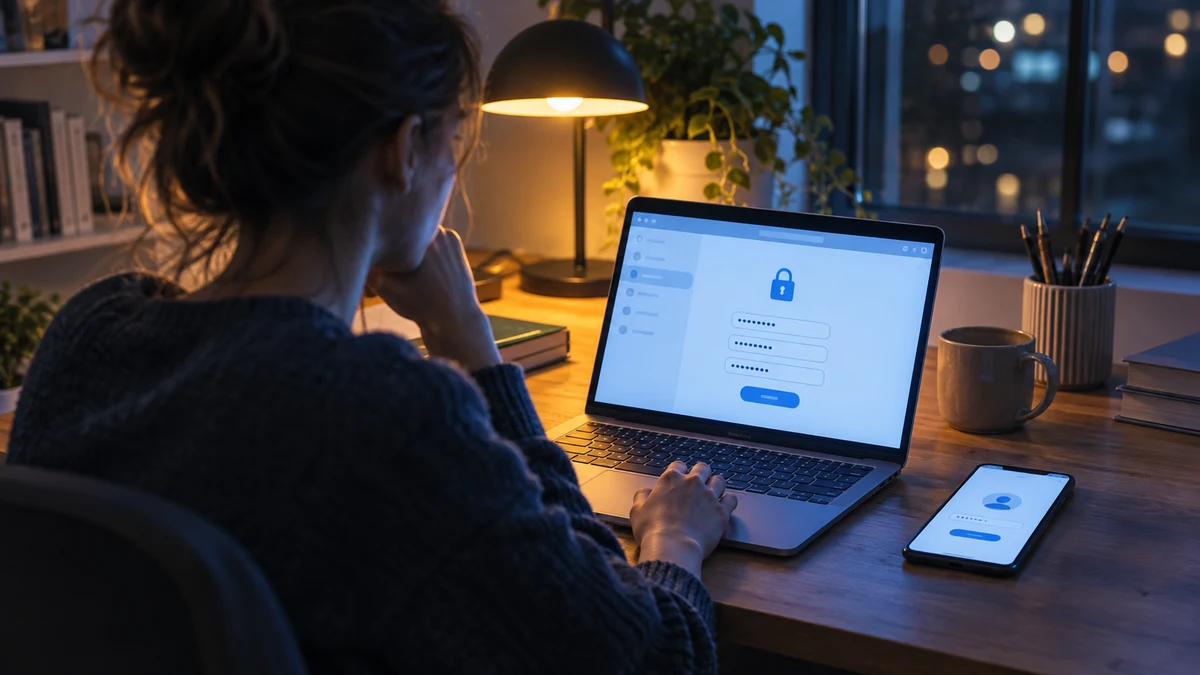
On November 12, 2026, Europol announced that police and private partners had taken 235 servers and 257 domains away from three malware operations, and that "over 6 million victim credentials were identified" on the seized machines. The gangs were selling those logins "to be used for other cyberattacks such as ransomware," Europol said.
If you've ever downloaded a "free" contract template, a cracked app or a browser add-on you didn't fully trust, this is worth ten minutes of your time.
What Operation Endgame Took Down This Week
Operation Endgame is a long-running international push against the tools that ransomware gangs use to get their first foothold. This phase involved police from nine countries, Bulgaria, Canada, Denmark, Germany, Moldova, the Netherlands, Poland, the United Kingdom and the United States, coordinated by Europol and Eurojust, BleepingComputer reported on November 12, 2026.
Three tools were hit, and each plays a different role in the same crime chain:
- Gootloader is a "dropper." According to Europol, it spread "by distributing fake legal documents through compromised websites," often hacked WordPress sites. Police took down 14 servers and 218 domains and cleaned 681 infected websites. The US Department of Justice says Gootloader infected over 25,000 computers and caused about $28.8 million in US damages, SecurityWeek reported on November 13, 2026.
- CastleRAT is a remote access trojan, which means it lets a criminal control an infected computer from a distance. Europol says its use led to encrypted data, crippled IT systems and ransom payments. Police seized 120 servers and 39 domains, plus victim data.
- StealC is an infostealer. Europol says it was "primarily designed to extract sensitive information such as passwords, stored access data and digital identities from compromised computers" for resale. Police dismantled 102 StealC servers, continuing an action that started in June 2026.
Put together, the chain looks like this: a person searches for a document or a free tool, lands on a hacked site, downloads a file, and the malware quietly collects every password saved in their browser. Those logins are then sold to other criminals, including ransomware crews looking for a way into a company network.
Why 6.4 Million Credentials Is a Personal Problem, Not Just a Police Story
It's easy to read "servers seized" and assume the danger is over. It isn't. The seizure stops these specific servers. It doesn't un-steal the logins that were already copied and sold before police arrived.
Infostealers are also different from a normal data breach. In a normal breach, one company loses one password for you. An infostealer takes everything saved in the browser on the infected computer: email, bank, shopping, streaming, work tools, and often the cookies that keep you signed in. That's why one infected laptop can expose dozens of accounts at once.
Two protections, one plan
See how CyberFence Complete pairs the VPN with Breach Monitor alerts when your email turns up in new breach data.
Watch the CyberFence Complete film
Select play to load YouTube, then start the film in the player. YouTube processes data when loaded; its privacy policy applies.
Watch on YouTube (opens a new tab)
Read the video transcript
Some risks come from the network you're on. Others come from companies you already use, when they're breached.
That's where CyberFence Complete comes in. Built by cybersecurity professionals, it's two protections in one plan.
The VPN protects your connection on public Wi-Fi, at home or on the go. Web Shield turns on with it and blocks known malicious sites. US-based servers, and no VPN activity logs.
Breach Monitor checks your email addresses against known breach records. If one turns up, you're alerted, you see how serious it is, and you get step-by-step guidance.
On iPhone, iPad, Android, Windows and Mac. CyberFence Complete. Two protections, one plan. Get protected today.
Work accounts get swept up too. The Verizon 2025 Data Breach Investigations Report found that 46% of infostealer-infected systems holding corporate logins were unmanaged devices with both personal and business passwords on them. Verizon also found that 54% of ransomware victims it matched had their domains show up in infostealer credential dumps. In plain terms: a family laptop used for work email can become the way into an employer's network.
How to Check If Your Logins Were Exposed
Victim data from this operation is being shared with notification services so people can find out if they were hit. Europol lists Have I Been Pwned, DIVD, CheckjeHack, NoMoreLeaks, Sekoia, The Shadowserver Foundation and the Dutch NCSC.
On November 13, 2026, Have I Been Pwned added a CastleRAT entry: about 180,000 email addresses tied to CastleRAT infections, plus 893,000 unique passwords seen more than 3 million times across accounts used on infected computers. Those passwords are now searchable in its Pwned Passwords tool.
Here's the order to check in:
- Search your email addresses on Have I Been Pwned, including old ones you still use for logins. Look for a "CastleRAT" entry dated November 2026.
- Check the passwords you reuse most in Pwned Passwords. If a password shows up, stop using it everywhere, even if your email didn't appear.
- Run a broader breach check. The free CyberFence breach check looks for your email in known breach data. A clean result means it wasn't found in the data checked, not that it was never exposed.
- Check again in a few weeks. The CastleRAT entry is only part of the 6.4 million credentials. More data may be shared with notification services later.
If You Find a Match: Clean First, Then Change
This is the step most people get wrong. If an infostealer is still on your computer, it can steal your new password the moment you type it. So the order matters.
- Stop using the computer you think is infected for sign-ins. If you remember downloading a "free" document, crack or tool around the time of the breach date, that machine is the likely source.
- Clean or reset that device. Run a full scan with your security software. If you can, back up your files and reset the device, which is the surest way to remove an infostealer.
- From a different, clean device, change passwords starting with your email, then banking, then anything that holds payment details. Your email comes first because it can reset everything else.
- Sign out of all sessions. Most big services have a "sign out everywhere" option. This kills stolen session cookies that let a criminal skip your password.
- Turn on two-step sign-in, ideally with an authenticator app or passkey rather than text messages.
- Tell your employer if you used that computer for work. Their IT team may need to reset your work account too.
How Infostealers Get In, and Where a VPN Fits
Infostealers almost always arrive because someone downloads and runs something: a fake document, a cracked program, a fake browser update, a pirated game mod or a booby-trapped ad. Gootloader's fake legal documents on hacked websites are a textbook case.
A VPN doesn't stop you from running a file. It encrypts the connection between your device and the VPN server so people on the same Wi-Fi, or your internet provider, can't read or tamper with your traffic. That's valuable on hotel, airport and café networks, but it is not malware protection by itself.
Where CyberFence can help earlier in the chain is Web Shield. Web Shield blocks known malicious sites while CyberFence is connected, so if a malware delivery domain is already on the blocklist, the page doesn't load and the download never starts. New domains appear every day and won't always be listed yet, which is why safe download habits still matter most:
- Download software only from the developer's site or the official app store.
- Be suspicious of "free" templates, contracts and forms from search results. Get them from a source you trust.
- Never install cracked software. It is one of the most common infostealer delivery methods.
- Use a password manager instead of saving passwords in your browser, and lock it with a strong master password and two-step sign-in.
- Keep your operating system and browser updated.
What This Means for 2026 and Beyond
Takedowns like this matter. They break the supply chain for a while, cost criminals money and get stolen data into the hands of people who can warn victims. But StealC was already targeted in June 2026, and police had to go after its servers again this month. Criminal services rebuild, and logins that were sold before a raid stay in circulation.
The pattern for regular people is clear. Stolen logins are a product that criminals buy and sell, and a single infected device can feed that market for years. You can't control which gangs get raided. You can control whether your passwords are unique, whether your accounts have two-step sign-in, and whether you find out quickly when your email shows up in breach data.
What a VPN Won't Do
A VPN doesn't remove malware that's already on your device, and it doesn't stop you from running a malicious file. It doesn't stop phishing on its own: Web Shield blocks known malicious sites, not every new one. It doesn't hide what you do from your employer on a work-managed device, and the VPN provider can see connection details. A VPN also can't tell you if your password was stolen. That's what breach checks and Breach Monitor are for.
Frequently Asked Questions
How do I know if my login was in the Operation Endgame data?
Search your email address on Have I Been Pwned, which added the CastleRAT data on November 13, 2026, and check your passwords in its Pwned Passwords tool. Only part of the 6.4 million credentials has been shared so far, so a clean result today is not a final answer.
If my password showed up, is changing it enough?
No. Infostealers take passwords from an infected computer, so first clean or reset that device, then change passwords from a different, clean device, turn on two-step sign-in and sign out of all sessions on your important accounts.
Does a VPN stop infostealer malware like StealC?
No, not on its own. A VPN encrypts your connection. It does not scan files you download or stop a program you run from reading your saved passwords. Web Shield can block known malicious sites while CyberFence is connected, which helps before a download starts.
Is Breach Monitor part of the $7.99 VPN plan?
No. Breach Monitor is a separate product. It is included in CyberFence Complete for $10.99 a month, and you can run a free breach check first without an account.
Read Next
Bottom line
Operation Endgame took a big bite out of three malware gangs, but millions of logins were already stolen. Check your email and passwords on Have I Been Pwned today and again in a few weeks. If you find a match, clean the infected device before you change anything, then turn on two-step sign-in. For ongoing alerts, Breach Monitor comes with CyberFence Complete.
Want to go deeper? Read how CyberFence Breach Monitor works , the free CyberFence breach check tool , or the CyberFence password strength tool .