Also on CyberFence: CyberFence's industry directory for other professions · CyberFence for Teams for business VPN with BAA and SSO .
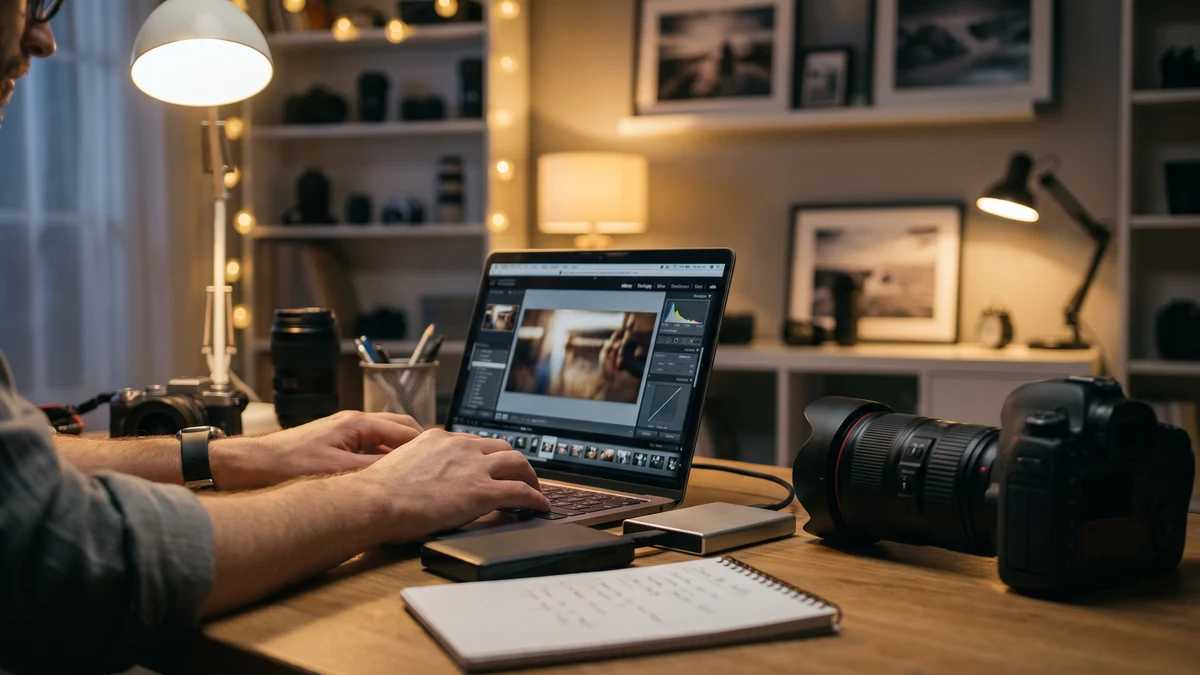
Every wedding you shoot puts you in possession of some of the most sensitive personal data a client will ever hand anyone: their full name, home address, family details, payment information, and years of irreplaceable photos and video. That combination — high-value files plus light security investment — has made photographers and videographers an increasingly attractive target for cybercriminals.
The Threat Is Real, and It's Growing
Ransomware attacks targeting creative professionals and design agencies have surged more than 280% since 2023, according to cybersecurity researchers tracking the sector. One widely cited case involved a Denver-based wedding photography studio whose eight years of client galleries were encrypted in a ransomware attack — the attackers demanded $120,000 and threatened to publish intimate wedding and family photos on the dark web if they weren't paid.
That's not a one-off. Industry researchers point to several reasons photographers are targeted specifically: a wedding photographer earning $100,000 a year might hold personal data, payment information, and irreplaceable photos for 50 to 100 client families on the same laptop — a concentrated, high-value target that historically gets far less security investment than a corporate business of equal revenue.
How the Attacks Actually Happen
Most attacks on photographers follow a handful of well-documented patterns:
- Phishing disguised as your own tools. Fake "your gallery platform trial is expiring" emails, spoofed vendor invoices, or client inquiries with malicious attachments. Some phishing is now AI-generated and personalized using details scraped from your public portfolio.
- Public Wi-Fi interception. Editing on hotel, venue, or coffee shop Wi-Fi exposes login credentials for your gallery platform, accounting software, and email to anyone intercepting traffic on that network — a single compromised session can expose every account you access during it.
- Credential stuffing. If your gallery platform password matches one exposed in any prior breach, automated tools will find and exploit it, often within hours of that breach becoming public. Reused passwords are the single most common cause of photographer account compromise.
- Business email compromise. Attackers who gain access to your email may sit quietly for weeks, learning your vendors and payment patterns before inserting fraudulent bank details into an active invoice thread with a client.
What's Actually at Risk in Your Files
A single wedding shoot can carry more sensitive information than most people realize: full names and family details, home addresses and daily routines revealed through video and location data, EXIF GPS coordinates embedded in every photo, and event dates that reveal exactly when a client's home will be empty during a destination wedding or honeymoon. Combined with contracts, invoices, and payment records, your client galleries and business files are a genuinely valuable target — not just for ransom, but for identity theft and even physical security risk to your clients.
Where a VPN Fits In
A VPN doesn't replace backups or a password manager, but it closes off one of the most common entry points — unsecured networks at the venues where you actually work:
- Encrypts your connection at venues, hotels, and coffee shops. CyberFence uses AES-256-GCM encryption on every connection, so uploading client galleries or logging into accounting software on a venue's public Wi-Fi can't be casually intercepted by someone else on that network.
- Blocks known phishing and malware domains before you land on them. CyberFence's Web Shield filters DNS requests at the network level, catching many of the fake "gallery platform" and "vendor invoice" phishing pages before they load.
- Monitors for your business email in known breaches. CyberFence's Breach Monitor checks whether your email has surfaced in a known data breach, giving you an early warning to rotate passwords before credential stuffing becomes a real risk.
- Zero logs, US-operated. Your business and client data isn't sold, shared, or subject to a foreign jurisdiction's data-sharing requirements.
The Basics That Matter Just as Much
- Keep offline backups. Ransomware can't hold your files hostage if you have a current backup that isn't connected to the network. Cloud-only backups can be encrypted right along with your working files.
- Use a password manager and enable 2FA. Unique passwords on your gallery platform, email, and cloud storage stop credential stuffing before it starts.
- Verify vendor and client payment requests out of band. If a client or vendor suddenly changes payment details over email, confirm by phone before sending anything.
- Treat every gallery-platform and invoice email with suspicion if it asks you to click a link and log in — go directly to the platform instead.
Protect the client galleries your business depends on
CyberFence gives photographers and videographers AES-256-GCM encryption on every network, DNS-level phishing protection, and breach monitoring — covering every device you shoot and edit with.
Start Your Free TrialBottom Line
Wedding photographers and videographers hold a concentrated amount of sensitive client data with historically light security investment — exactly the combination cybercriminals look for. Ransomware attacks on creative professionals aren't rare anymore, and the venues where you do your best editing work are often the least secure networks you'll touch all week. A VPN with real phishing-domain blocking and breach monitoring, paired with offline backups and a password manager, closes off the paths these attacks actually use.
Keep your client galleries and your business secure
Get CyberFence for $7.99/mo, or save 8% at $88.21/yr ($7.35/mo).
Get Protected TodayWant to go deeper? Read how CyberFence protects other regulated industries , the CyberFence Teams product page , or CyberFence plans and pricing .