Also on CyberFence: CyberFence's industry directory for other professions · CyberFence Teams for employee VPN protection .
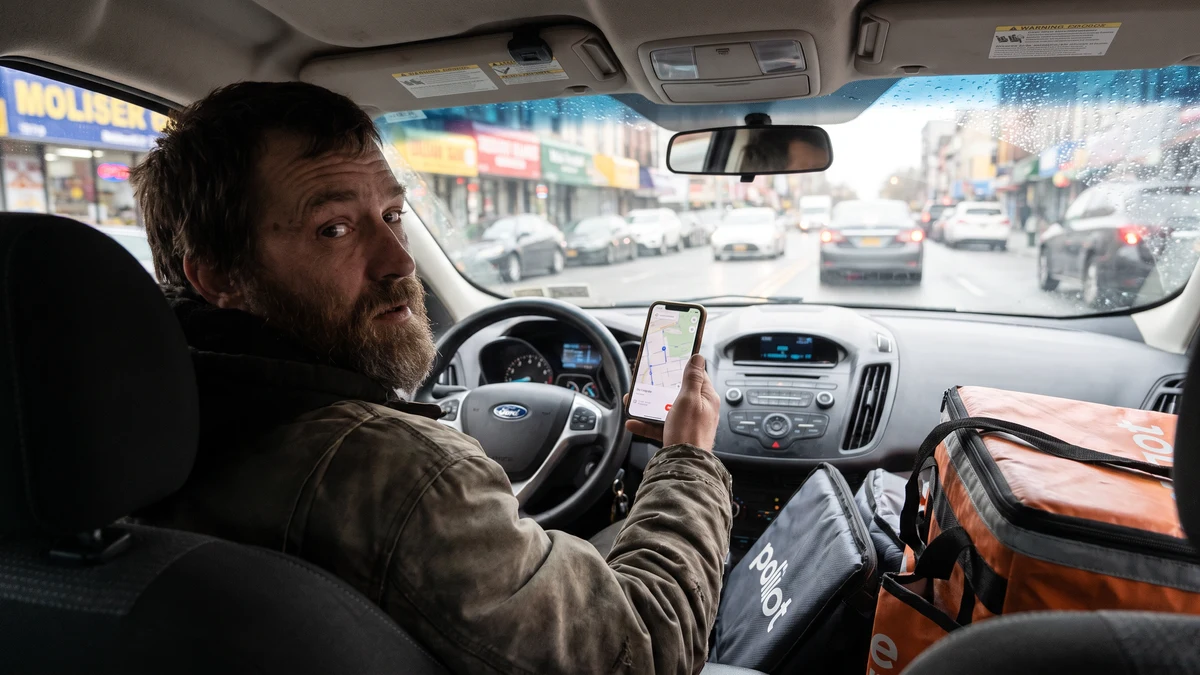
Gig workers — delivery drivers, rideshare drivers, TaskRabbit workers, freelancers on Fiverr and Upwork — run their entire business from a smartphone. Every order acceptance, every payment deposit, every customer communication, every platform login happens through one device, often connected to public Wi-Fi or mobile data on networks they don't control.
That constant connectivity creates real security exposure. Your gig platform accounts are directly tied to your income. A compromised account means lost earnings, potential fraud liability, and the stress of trying to get a deactivated account reinstated. A VPN is one of the most practical ways to protect yourself — and it runs in the background without interrupting your workflow.
The Gig Worker's Digital Exposure
Think through everything that flows through a gig worker's phone in a typical shift:
- Platform accounts — DoorDash, Uber Eats, Instacart, Amazon Flex, Lyft, Grubhub, TaskRabbit. These accounts determine your ability to work and receive payment. A takeover locks you out of your income.
- Bank account and payment information — your earnings are deposited to a linked bank account or debit card. The same phone accessing these platforms also manages your banking.
- Personal identification — gig platforms require driver's license information, Social Security numbers, and background check data to onboard workers. This information is stored in your platform profiles.
- Location data — your precise GPS location is shared with platforms throughout every shift. This data, combined with your account credentials, is a complete picture of your life and work patterns.
- Customer data — delivery addresses, customer names, and contact information pass through your device with every order.
Restaurant and Venue Wi-Fi: A Hidden Risk
Delivery drivers spend significant time in restaurant parking lots and lobbies waiting for orders — often connecting to the restaurant's Wi-Fi to preserve mobile data. These are shared, semi-public networks with no guarantee of security configuration.
When you log into your DoorDash or Uber Eats app on a restaurant's Wi-Fi, that authentication session travels over the network. If an attacker is positioned on the same network, they may be able to capture your session token — allowing them to access your account from their own device without needing your password.
A VPN creates an encrypted tunnel for all of that traffic. The restaurant's Wi-Fi carries only encrypted packets going to the VPN server — nothing an attacker can use.
Protect Your Platform Accounts and Earnings
Connect CyberFence before accessing work accounts on shared Wi-Fi. The VPN encrypts traffic between your device and the VPN server, while Web Shield helps block known harmful websites. Follow your organization’s security policies. Personal VPN plans start at $7.99/month with monthly billing. Cancel renewal anytime. Breach Monitor is a separate paid feature or included with Complete.
See Plans →Gig Account Takeovers: A Real and Growing Threat
Gig platform account takeovers — where attackers gain access to a driver or worker's account and redirect earnings, change payment details, or lock the worker out — are well-documented. The FBI and FTC have both issued warnings about gig platform account fraud.
The most common attack vectors:
- Credential stuffing — attackers use username/password combinations leaked from other data breaches to try logging into gig platform accounts. If you use the same password across multiple services, a breach at one service enables access to all of them.
- Session hijacking — on unsecured Wi-Fi, session tokens can be captured and used to impersonate you in an active platform session
- Phishing — fake messages impersonating DoorDash, Uber, or Instacart support requesting account "verification" through a malicious link
- SIM swapping — attackers convince your carrier to transfer your phone number to a SIM they control, intercepting two-factor authentication codes
A VPN directly addresses the session hijacking vector by encrypting all traffic from your device. Combined with two-factor authentication and unique passwords for each platform, it significantly hardens your accounts against the most common attacks.
Multi-Platform Workers: A Larger Attack Surface
Many gig workers run multiple platforms simultaneously — DoorDash and Uber Eats on one phone, or food delivery plus TaskRabbit or Fiverr for extra income. Each platform is another account to protect, another login credential to secure, another potential entry point for an attacker.
The more platforms you use, the more valuable your phone is as a target. A single device compromise could expose multiple income streams simultaneously. A VPN protects all of those connections with one tool — no separate setup needed per platform.
Banking on Mobile Data and Public Networks
Gig workers frequently check earnings, review deposit schedules, and manage their banking through the same phone they use for work. Accessing a banking app from a fast food restaurant's Wi-Fi while waiting for an order is common — and exactly the scenario where unencrypted connections expose financial credentials.
Modern banking apps use HTTPS, which encrypts the content of your session. But session tokens can still be captured and used in some attack scenarios, and DNS queries for your bank's domain travel unencrypted without a VPN. CyberFence routes all DNS through its own encrypted servers and wraps all traffic in an additional AES-256-GCM layer — protecting banking sessions regardless of what network you're on.
Protecting Freelance Work on Upwork, Fiverr, and Similar Platforms
Online freelancers face additional exposure: client communications often include project details, business information, and sometimes payment methods. Freelance platform accounts are tied directly to income and professional reputation. A compromised Upwork or Fiverr account can damage client relationships, expose ongoing project details, and lock a freelancer out of their primary income source.
Freelancers who work from coffee shops, libraries, and coworking spaces — common for the gig economy lifestyle — are using shared networks throughout their workday. A VPN ensures that every login, file transfer, and client communication on those networks is encrypted.
What CyberFence Provides for Gig Workers
- AES-256-GCM encryption on every connection — restaurant Wi-Fi, coffee shops, parking lots, home networks — all protected
- Auto-connect on untrusted networks — enables protection before any traffic leaves your device, without requiring manual activation
- Web Shield DNS filtering — blocks phishing sites that impersonate gig platforms and payment services before they load
- Zero-log policy — your activity is never recorded or stored
- Kill switch — cuts internet access if VPN drops, preventing unencrypted data from leaking
- Optimized for Android and iPhone — CyberFence runs efficiently on mobile, designed for real-world use rather than desktop environments
- US-operated infrastructure — your data stays under US law
The Security Checklist for Gig Workers
- Install CyberFence on your primary work phone — enable auto-connect on all networks except your home Wi-Fi
- Enable two-factor authentication on every platform: DoorDash, Uber, Instacart, Lyft, Upwork, Fiverr, and your banking app
- Use a different password for every platform — a password manager makes this practical
- Never use platform passwords as your email password — email account access enables password resets on everything else
- Avoid connecting to restaurant Wi-Fi unless your VPN is active
- Review your bank account and platform earnings regularly for unauthorized changes
- Set up login alerts on platforms that offer them — be notified of any new device sign-in
Cost vs. Risk
A gig worker making $800-1,200/month from delivery platforms has real income at stake. A single account takeover that redirects a week's earnings to a fraudulent account can cost hundreds of dollars and hours of customer support calls to resolve — if it can be resolved at all.
Some drivers report accounts being permanently deactivated after fraud incidents they didn't cause, with no path to reinstatement. The platforms' fraud detection systems sometimes penalize the victim along with the attacker, and appeals processes are slow and uncertain.
CyberFence starts at $7.35/mo on an annual plan. For the protection it provides against account takeovers, session hijacking, and credential theft, it's a practical investment for any gig worker who depends on their platform accounts for income.
Keep Your Earnings Safe
Connect CyberFence before accessing work accounts on shared Wi-Fi. The VPN encrypts traffic between your device and the VPN server, while Web Shield helps block known harmful websites. Follow your organization’s security policies. Personal VPN plans start at $7.99/month with monthly billing. Cancel renewal anytime. Breach Monitor is a separate paid feature or included with Complete.
View Plans →Want to go deeper? Read how CyberFence protects other regulated industries , the CyberFence Teams product page , or CyberFence plans and pricing .