Also on CyberFence: CyberFence's industry directory for other professions · CyberFence Teams for employee VPN protection .
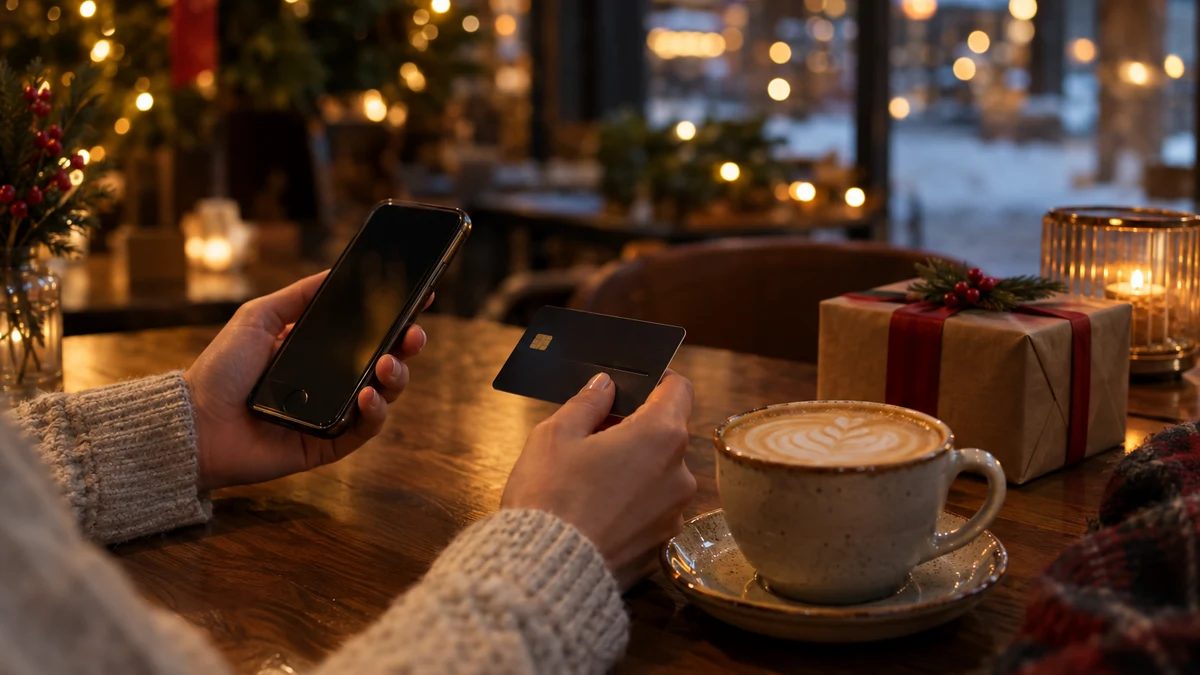
Black Friday is November 27 and Cyber Monday is November 30. Between now and then, many of us will buy gifts from a phone in a coffee shop line, a laptop on airport Wi-Fi or a tablet on the couch. Scammers know that, and they are already set up.
Scamwise, a free scam-checking service, says its users report a new fake store roughly every 3 minutes, about 500 a day. Reports of fake holiday-themed stores grew fivefold in the last 60 days, and 85% of fake stores disappear within two weeks. The FBI says non-delivery scams, where you pay and nothing arrives, are one of the most common holiday frauds. Over the 2023 holiday season alone, it received 13,000 complaints with losses of more than $92 million.
Here is what a VPN actually does for holiday shopping, what it does not do, and the checks that stop most scams before you pay.
What a VPN Does for Holiday Shoppers
A VPN encrypts the connection between your device and the internet. That matters most when you shop on a network you do not control, such as a café, airport, hotel, mall or a relative's home Wi-Fi over the holidays.
It protects your connection on public Wi-Fi
On shared Wi-Fi, other people on the same network, or whoever runs it, may be able to see or tamper with your traffic. A fake hotspot named "Mall_Free_WiFi" can steer you to look-alike pages. Most stores use HTTPS for checkout, which already protects your card number in transit, but a VPN adds a layer that covers everything else your phone sends, including app traffic, logins and the sites you visit. CyberFence uses AES-256-GCM encryption for that tunnel. For more on the risks, see is public Wi-Fi safe?
It hides your browsing from the network
With a VPN on, the coffee shop network or hotel cannot see which stores and sites you visit. That is a privacy benefit, not a scam blocker, but it keeps your shopping habits to yourself.
Web Shield can block some known bad sites
CyberFence's Web Shield blocks DNS requests to domains on lists of known phishing and malware sites. If a delivery text or ad links to a site already on those lists, Web Shield can stop the page from loading. Be clear about the limit: Scamwise found that the store that scams a shopper on Black Friday most likely does not exist yet. A brand-new fake store will not be on any blocklist on day one, so you still need the checks below.
Shop on public Wi-Fi with an encrypted connection. CyberFence is a US-operated VPN with AES-256-GCM encryption and Web Shield DNS blocking. $7.99/month, or $88.21/year ($7.35/month).
See CyberFence Plans →What a VPN Does Not Do
A VPN does not tell you whether a store is real. If you type your card number into a fake checkout page, the VPN delivers it to the scammer securely. It also does not stop you from replying to a fake delivery text or paying a seller with a gift card. We cover the full list in what a VPN does not protect you from. The biggest holiday shopping risks are about who you are buying from, so the steps below matter more than any app.
Seven Checks Before You Pay
1. Go to the store yourself
Type the retailer's address or open its official app instead of tapping an ad, email or text. Scamwise found that at least 1 in 5 fake stores traced back to an ad on a major platform, with Meta and Google the most common. An ad being on a big platform does not make the store real.
2. Look up the store, not just the deal
The FTC recommends searching the seller's name and the exact web address with words like "review," "complaint" or "scam" before you buy. Nearly 40% of the fake stores Scamwise tracked were less than 90 days old when first reported, so a store nobody outside its own site has heard of is a warning sign.
3. Do not trust the discount or the polish
During Cyber Week, real retailers advertise 50% off and more, which makes fake "impossible" discounts blend in. A professional site with a full catalog and a return policy can still be fake. Compare the price with a retailer you already know.
4. Pay with a credit card
The FTC advises paying by credit card when possible, because you can dispute charges for items that never arrive. If a seller will only take gift cards, wire transfers, payment apps or cryptocurrency, the FTC says it is probably a scam.
5. Treat delivery texts with suspicion
Fake "your package is delayed" and "update your address" texts spike after big shopping days. Check order status in the retailer's or carrier's app, never through a link in an unexpected message.
6. Use mobile data or a VPN on public Wi-Fi
If you must buy something on the go, use your phone's cellular data or turn on your VPN before you log in to anything. This is especially important for banking and payment apps. See our guide to using a VPN for online banking.
7. Keep records and watch your statements
Save order confirmations and receipts. Check your card activity in the weeks after Black Friday, and report problems to your card issuer right away. If you have been scammed, you can file a report at ReportFraud.ftc.gov and with the FBI's Internet Crime Complaint Center at ic3.gov.
A Quick Holiday Shopping Setup
- Before you leave home: update your phone and browser, and turn on multi-factor authentication for your email, Amazon and bank accounts.
- On public Wi-Fi: connect your VPN first, or use cellular data.
- Before checkout: confirm you typed the address yourself, the store has outside reviews, and you are paying by credit card.
- After checkout: track orders only in official apps and ignore delivery links in texts.
CyberFence has apps for iPhone, Android, Mac and Windows, plus a web app, so you can protect the devices you actually shop on. Before a holiday trip, our guide to airport Wi-Fi risks is worth a read too.
The Bottom Line
A VPN makes holiday shopping on public Wi-Fi safer by encrypting your connection and keeping your browsing private from the network, and Web Shield can block some known bad sites. It cannot tell a real store from a fake one. Combine it with a few minutes of checking, such as going to stores directly, looking them up and paying by credit card, and you will avoid most of what scammers have planned for Black Friday.
Protect every device you shop on this season. CyberFence is US-operated, uses AES-256-GCM encryption, follows a zero-logs policy and includes Web Shield. $7.99/month, or $88.21/year.
Get CyberFence →Want to go deeper? Read how CyberFence protects other regulated industries , the CyberFence Teams product page , or CyberFence plans and pricing .