Also on CyberFence: compare CyberFence to other VPNs side-by-side · the free CyberFence security tools .
Quick answer
Is that package delivery text a scam?
Mostly, yes. If you didn't sign up for texts from the carrier, a message saying your package is stuck, needs a new address or needs a small fee is almost always a scam. Fake delivery problems were the most-reported text scam in FTC data. Don't tap the link. Check your order in the retailer's or carrier's own app instead.
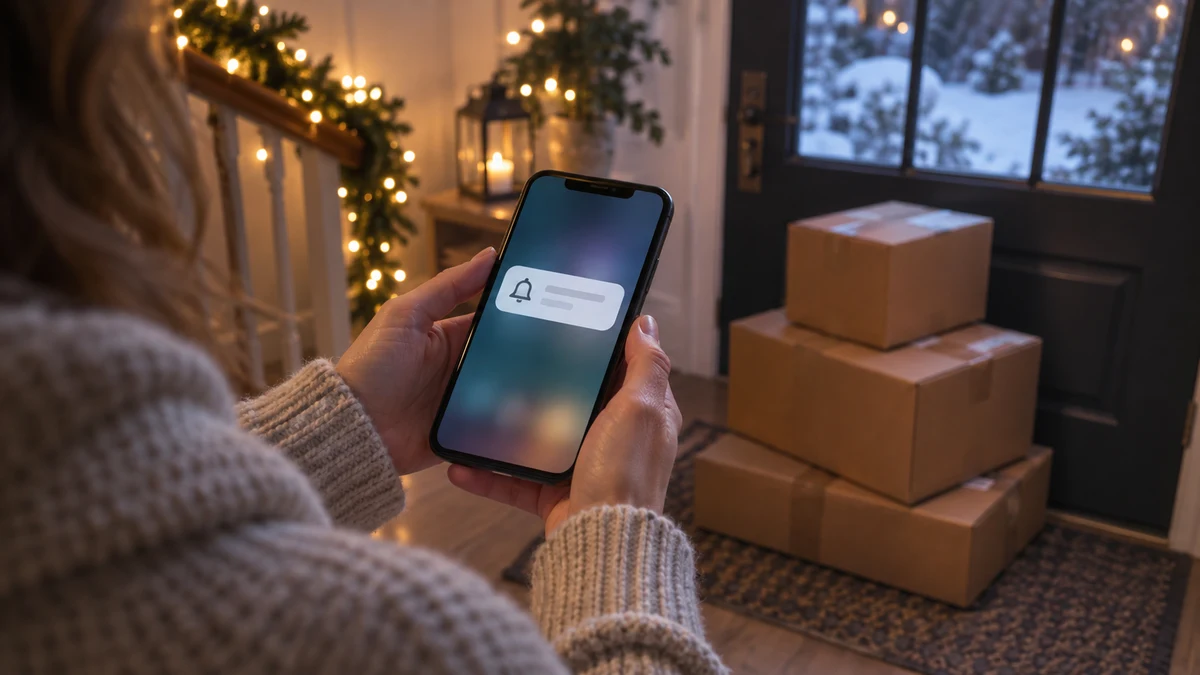
Black Friday is a week away, and with it comes the busiest shipping season of the year. Scammers know almost everyone is waiting on a package. This month, police departments and state attorneys general from Los Angeles County to South Dakota have issued warnings about fake delivery texts.
Here's what the latest government data shows, why these texts work so well, and the simple checks that stop them.
What the Data Shows
Text messages have become the most common way scams reach people:
- Texts are the top way scammers make contact. In congressional testimony on March 25, 2026, the FTC said a text message was the top reported contact method in 2025 fraud reports that named one. Consumers reported $15.9 billion in fraud losses in 2025, up from over $12 billion the year before.
- Fake delivery problems lead the list. The FTC's Top Text Scams Data Spotlight (April 2025) found fake package delivery problems were the most commonly reported text scam in 2024. Reported text scam losses hit $470 million that year, more than five times the 2020 figure.
- Losses are climbing for older adults. The FTC's Protecting Older Consumers 2025–2026 report (October 2026) said reported text-scam losses by older adults rose 61% compared with 2024.
- Phishing is the most-reported cybercrime. The FBI's 2025 Internet Crime Report counted 1,008,597 complaints and nearly $21 billion in losses, with phishing and spoofing, which include fake texts, the most frequently reported type.
The FTC also notes that most fraud is never reported, so these numbers show only part of the harm.
How a Fake Delivery Text Works
Most fake delivery texts follow the same short script:
- The hook. "Your package could not be delivered due to an incomplete address" or "Your shipment is on hold."
- The small ask. Confirm your address, schedule redelivery, or pay a fee of a dollar or two.
- The deadline. "Respond within 24 hours or the package will be returned."
- The fake site. The link opens a page that looks like the carrier's, asks for your name, address and card number, and sometimes your login.
The tiny fee is the clever part. Few people think twice about paying $1.50, but the scammer isn't after the $1.50. They want your full card number, expiration date and security code, which they can then use or sell.
See how Web Shield blocks known scam sites
Watch Web Shield stop a known malicious page from loading while CyberFence is connected.
Watch the Web Shield film
Select play to load YouTube, then start the film in the player. YouTube processes data when loaded; its privacy policy applies.
Watch on YouTube (opens a new tab)
Read the video transcript
Fake websites can look exactly like the real ones. One wrong link can cost you a password, or put malware on your device.
That's where CyberFence Web Shield comes in. Built by cybersecurity professionals, it turns on with your VPN. No setup needed.
It checks the sites and links you open against CyberFence's own database of known threats. If there's a match, it's blocked. The page never loads, and nothing downloads. Safe sites open as usual.
It works in your apps too: at home, on hotel Wi-Fi, or on mobile data. On iPhone, iPad, Android, Windows and Mac.
CyberFence Web Shield. Malicious sites, blocked. Choose your plan today.
Why These Scams Work So Well in 2026
- Everyone is expecting something. During the holidays, a delivery text almost always matches something you really ordered.
- Phones hide the details. On a small screen, it's hard to see the full sender number or link address, and many people tap before reading.
- Scam sites are cheap and fast to make. Copying a carrier's look takes minutes, and scammers rotate through new web addresses constantly so blocklists have to keep catching up.
- The texts are getting better. Older scams were full of typos. Newer ones often read cleanly and use real-looking tracking numbers, so spelling mistakes are no longer a reliable warning sign.
- "Reply 1" tricks. Some texts ask you to reply with a number to "activate" the link. Replying tells the scammer your number is live and can make your phone show the link as tappable.
Other Holiday Text Scams Running Alongside Them
Fake delivery texts rarely travel alone. The same groups send several other scripts during the holiday rush, and they all end the same way, on a page that asks for your card or login:
- Fake account alerts. Texts claiming suspicious activity or an unauthorized purchase on your shopping, Apple or bank account. The FTC's October 2026 report found the largest share of text-scam loss reports by older adults involved texts impersonating well-known businesses, particularly Amazon, Apple and banks.
- Customs and tariff fees. Messages saying an international package is held until you pay a duty or "tariff." Real customs charges are collected by the carrier through its official channels, not through a link in a random text.
- Flash sales that are too good to be true. Texts advertising huge discounts on popular gifts that lead to look-alike stores. Los Angeles County deputies warned about exactly this ahead of Cyber Monday.
- Refund offers. "We overcharged you for shipping, tap to get your refund." Refunds don't require your full card number.
The defense is the same for all of them: don't act from the message. Go to the company's app or type its website yourself.
Protect the Whole Household, Not Just Yourself
The person most likely to tap a fake delivery link often isn't the one reading this article. It's a parent, a teenager or a busy partner who sees a text while juggling five other things. A few minutes this week can help everyone:
- Share one simple rule: "We never fix delivery problems from a text. We check the store's app."
- Turn on spam filtering. On iPhone, turn on unknown-sender filtering in Messages settings. On Android, turn on spam protection in Google Messages.
- Set up CyberFence on family phones so Web Shield is there as a safety net when someone does tap.
- Use a credit card, not a debit card, for online holiday shopping, so a stolen number doesn't drain a checking account while you dispute it.
How to Tell a Real Delivery Text From a Fake
Real carrier messages do exist, so it helps to know what they look like:
- You asked for them. The US Postal Inspection Service says if you "never signed up for a USPS tracking request for a specific package," you shouldn't click the link. It also says USPS uses 5-digit short codes to send texts.
- They don't ask for money to deliver. Carriers don't text you to collect a surprise redelivery fee before they'll bring a package.
- The tracking number matches. Compare it with the number in your order confirmation from the store.
- The order shows the same problem. If there's really an address issue, the retailer's app or website will show it too.
The simplest rule: never fix a delivery problem from the text itself. Open the retailer's app or type the carrier's website yourself and look up the order there.
What to Do If You Already Tapped
- If you entered card details, call the number on the back of your card, report the charge risk and ask for a new card number.
- If you entered a password, change it right away, plus anywhere else you used it, and turn on two-step sign-in.
- If you only opened the page, close it, don't enter anything, and make sure your phone's software is up to date.
- Report it. Forward the text to 7726 (SPAM) so your carrier can block the sender, and report it at ReportFraud.ftc.gov. If you lost money, also file at ic3.gov.
- Watch your statements for small test charges over the next few weeks. Scammers often try a tiny charge first.
Where CyberFence Fits
No app can stop scam texts from arriving, and CyberFence doesn't read or filter your messages. What Web Shield can do is act as a safety net at the moment that matters: when you tap. With CyberFence connected, Web Shield blocks known malicious and phishing sites before they load, so if the link in a fake delivery text points to a site that's already on the blocklist, the fake page never opens.
That matters most on your phone, where these texts arrive and where small screens make fake pages hardest to spot. CyberFence also encrypts your connection on public Wi-Fi in airports, cafés and stores, which is where many people check delivery updates while shopping or traveling over the holidays.
What a VPN Won't Do
A VPN doesn't stop phishing on its own and can't keep scam texts out of your inbox. Web Shield blocks known malicious sites, not every new one, and scammers launch new sites every day, so checking orders in the retailer's own app is still the strongest defense. A VPN can't undo stolen card details; only your card issuer can. It doesn't hide your activity from your employer on a work-managed phone, and the VPN provider can see connection details.
Frequently Asked Questions
Does USPS send text messages about packages?
Only if you asked for them. The US Postal Inspection Service says that if you never signed up for USPS tracking on a specific package, you should not click a link in a text claiming a delivery needs your response.
I tapped the link in a delivery text. Am I hacked?
Tapping alone usually isn't the main danger; what you entered matters most. If you typed card details, call your card issuer and ask for a new card. If you entered a password, change it and turn on two-step sign-in. Report the text to 7726 and to ReportFraud.ftc.gov.
Can a VPN stop delivery text scams?
Not on its own. A VPN encrypts your connection; it doesn't filter texts. Web Shield blocks known malicious sites while CyberFence is connected, so a link to a site already on the blocklist won't load, but brand-new scam sites may not be listed yet.
How do I check whether a delivery problem is real?
Open the retailer's app or website, or type the carrier's address yourself, and look up your order or tracking number there. Never use the link or phone number in the text.
Read Next
Bottom line
If a text about a stuck package arrives and you didn't sign up for carrier texts, assume it's a scam. Check the order in the retailer's or carrier's own app, report the text to 7726, and never pay a "redelivery fee" from a link. For a safety net when someone in your household does tap, CyberFence's Web Shield blocks known scam sites while you're connected.
Want to go deeper? Read the CyberFence competitor comparison hub , our free privacy and security tools , or CyberFence plans and pricing .